
Plastic Packaging EPR Compliance in India
End-to-end compliance support for plastic packaging under the Plastic Waste Management Rules, ensuring regulatory alignment, transparency, and audit readiness.
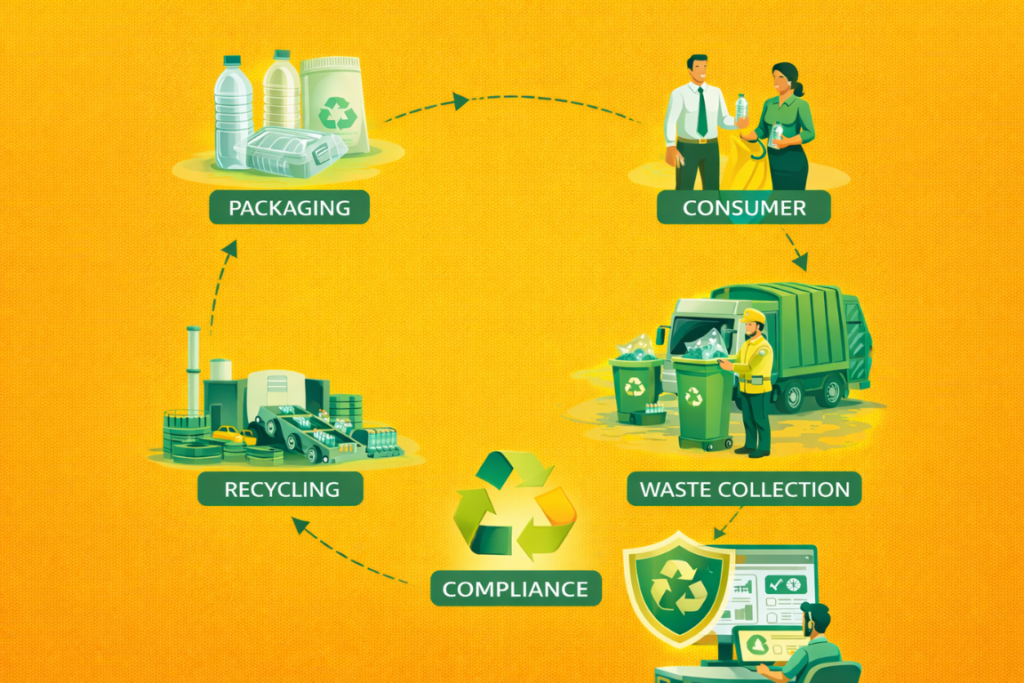
Navigate Plastic Packaging EPR with Clarity and Confidence
Plastic packaging is the most closely regulated waste stream under India’s Extended Producer Responsibility (EPR) framework. Under the Plastic Waste Management Rules, 2016 and the EPR Guidelines for Plastic Packaging (2022), businesses introducing plastic packaging into the Indian market are required to ensure its environmentally sound management through structured compliance mechanisms.
ReCirculytics supports organisations across the entire EPR lifecycle—from regulatory applicability assessment to target fulfilment, reporting, and audit readiness. Our approach combines regulatory expertise, structured compliance systems, and operational execution to help businesses manage plastic packaging EPR obligations with clarity, accuracy, and control.
Understanding Plastic Packaging EPR
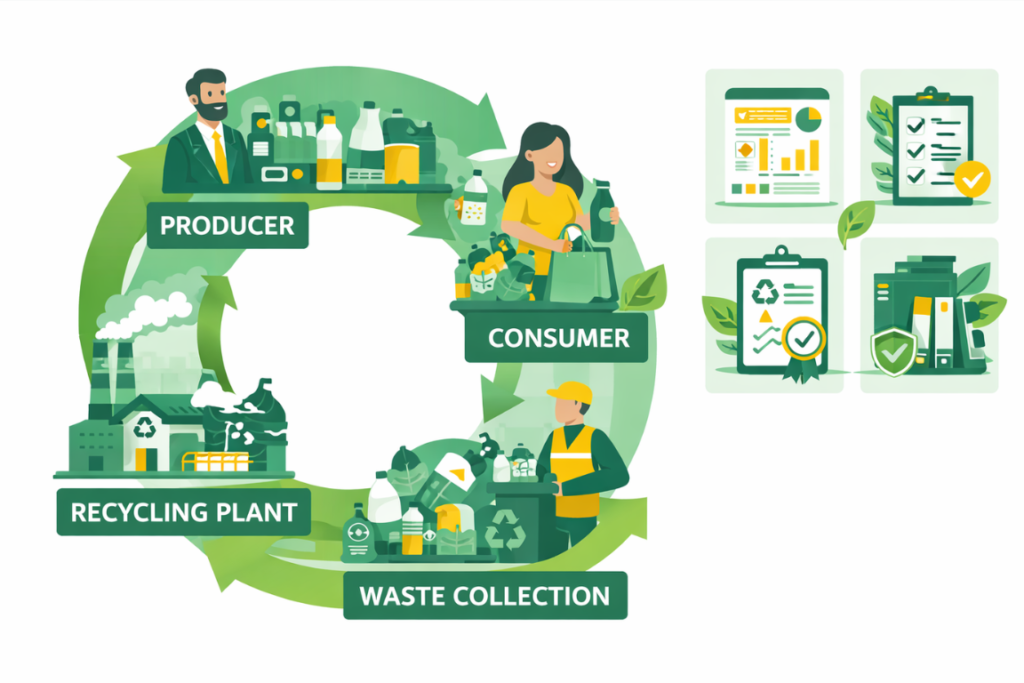
Extended Producer Responsibility (EPR) for plastic packaging places responsibility on Producers, Importers, and Brand Owners (PIBOs) for the management of plastic packaging waste generated from products introduced into the market.
Under the Plastic Waste Management framework, obligated entities must:
- Report the quantity of plastic packaging introduced into the market
- Meet category-wise recycling and reuse targets
- Procure valid EPR credits from registered Plastic Waste Processors (PWPs)
- Maintain accurate compliance records and submit regulatory filings
Categories of Plastic Packaging
Plastic packaging is classified into specific regulatory categories, each carrying different compliance obligations and targets.
Cat I

Rigid Plastic Packaging
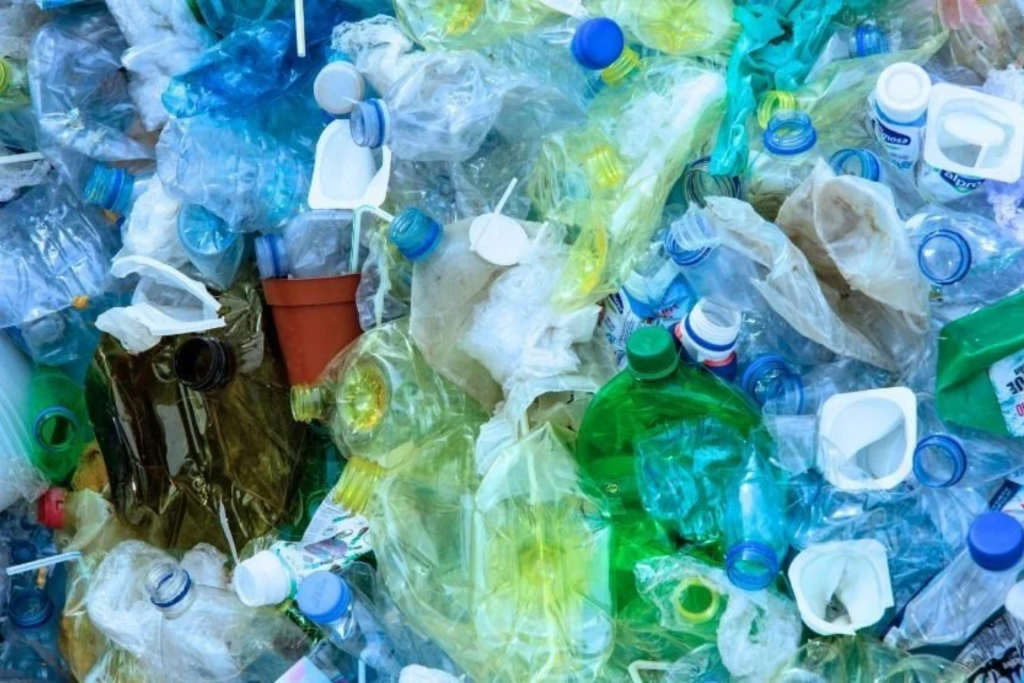
Includes rigid packaging formats such as bottles, containers, jars, trays, and similar structures used for product packaging.
Cat II

Flexible Plastic Packaging
Includes single-layer or multi-layer flexible plastic packaging such as plastic sheets, carry bags, sachets, pouches, and similar flexible packaging materials.
Cat III
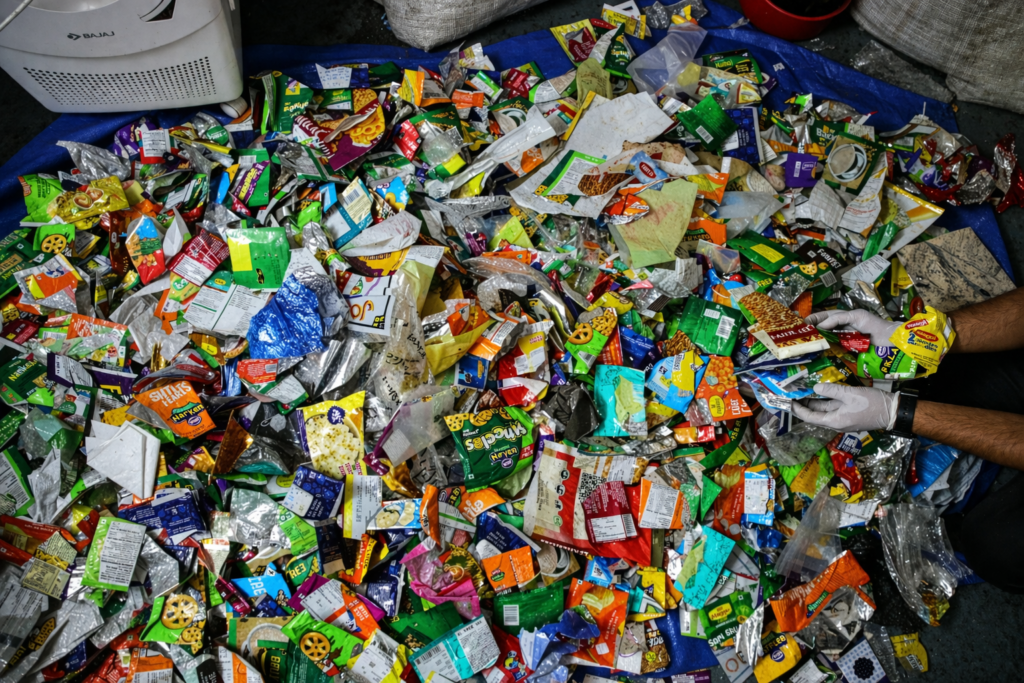
Multi-Layered Plastic Packaging
Packaging composed of multiple layers of materials where at least one layer is plastic and at least one layer is a non-plastic material.
Cat IV

Compostable Plastic
Plastic sheets, carry bags, and packaging materials made from compostable plastics certified under applicable standards.
Cat V
Biodegradable Plastic
Plastic packaging materials and products manufactured from biodegradable plastics approved under regulatory guidelines.
Correct categorisation is critical because EPR targets, fulfilment methods, and reporting requirements differ across categories.
Who Needs to Comply
Entities required to register under the Plastic Packaging EPR framework include:
- Producers of plastic packaging materials (including micro and small enterprises)
- Importers of packaged products or plastic packaging
- Brand Owners selling products in plastic packaging (excluding micro and small enterprises)
- Manufacturers and importers of plastic raw material
- Manufacturers of items made from compostable plastics or biodegradable plastics.
- Plastic Waste Processor engaged in (a) recycling, (b) waste to energy, (c) waste to oil, and (iv) industrial composting
- E-commerce platforms and online marketplaces
All obligated entities must obtain registration through the CPCB EPR Portal for Plastic Packaging before undertaking regulated activities.

EPR Obligations and Compliance Requirements
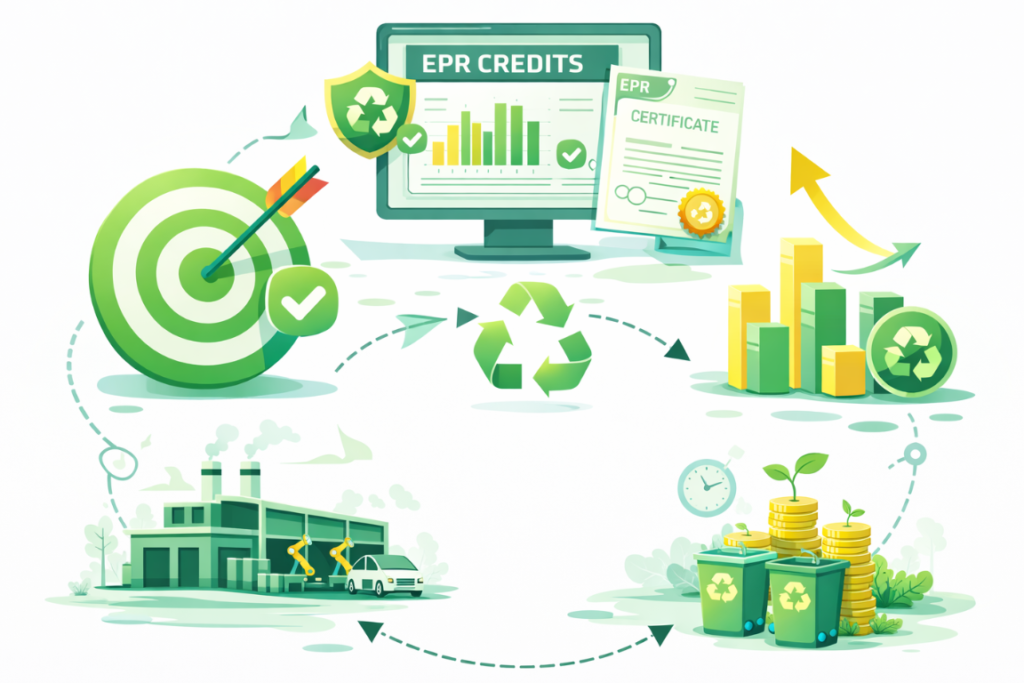
Obligated entities must fulfil a set of regulatory obligations that include:
- Registration on the CPCB EPR portal
- Category-wise declaration of plastic packaging quantities
- Fulfilment of annual recycling and reuse targets
- Procurement and utilisation of valid EPR credits
- Submission of annual returns
- Maintenance of supporting documentation for regulatory audits
Failure to meet EPR obligations may lead to environmental compensation, regulatory action, or suspension of registration.
How ReCirculytics Supports Plastic Packaging EPR Compliance
ReCirculytics provides structured, end-to-end compliance support designed for organisations managing complex EPR obligations.
Our services include:
- Plastic packaging applicability assessment
- Category-wise EPR target calculation and planning
- Development of compliant fulfilment strategies
- Coordination with registered Plastic Waste Processors
- Procurement of valid EPR credits
- Compliance reporting and documentation management
- Regulatory audit and notice response support
Our approach focuses on practical execution backed by regulatory defensibility, ensuring that all compliance documentation is complete, consistent, and audit-ready.
Our Structured Approach to Plastic Packaging Compliance
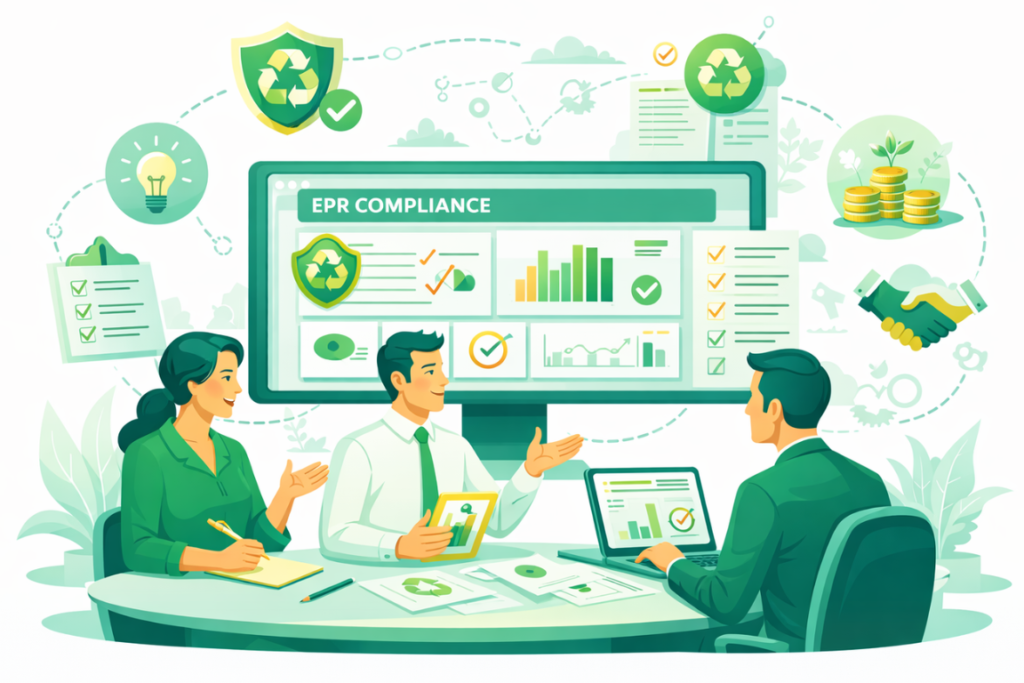
We follow a structured methodology to ensure clarity and control throughout the compliance process.

Assess
We evaluate your plastic packaging footprint, regulatory applicability, and potential compliance risks.

Design
We develop a category-specific EPR strategy aligned with regulatory requirements and operational realities.

Execute
We support implementation through coordinated fulfilment, documentation management, and regulatory reporting.

Monitor & Improve
We track compliance performance, monitor regulatory updates, and continuously optimise your EPR strategy.
Common Compliance Challenges
Many organisations encounter operational and regulatory challenges when managing plastic packaging EPR, including:
- Incorrect classification of plastic packaging categories
- Shortfall in EPR target fulfilment
- Invalid or unverified EPR certificates
- Delays or inconsistencies in regulatory reporting
- Changing regulatory interpretations and amendments
ReCirculytics helps organisations mitigate these risks through structured compliance systems, regulatory expertise, and proactive monitoring.

Enabling Responsible Plastic Waste Management
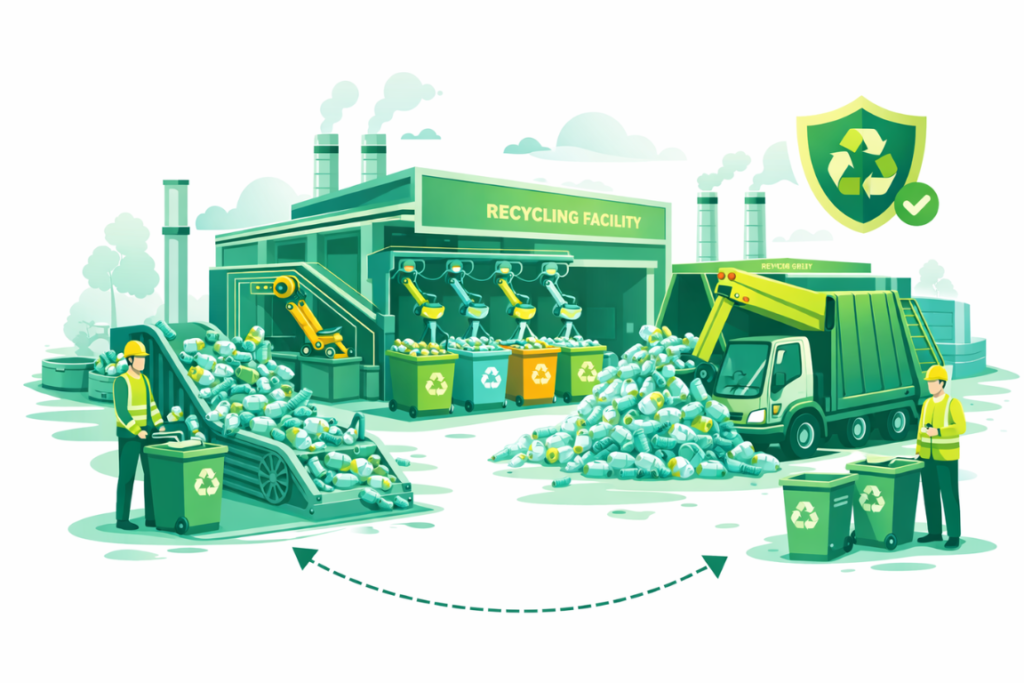
Beyond regulatory compliance, effective plastic packaging EPR implementation contributes to broader sustainability outcomes.
Our work supports organisations in achieving:
- Reduced regulatory and reputational risk
- Transparent and verifiable compliance reporting
- Improved data management and reporting automation
- Clear interpretation of evolving regulatory requirements
- Strengthened circular economy outcomes
We help organisations move from reactive compliance to responsible and structured plastic packaging management.
Frequently Asked Questions
Yes. EPR compliance is mandatory for applicable Producers, Importers, and Brand Owners under the Plastic Waste Management Rules and the EPR Guidelines for Plastic Packaging.
Targets are calculated based on the quantity and category of plastic packaging introduced into the market during the base year, in accordance with regulatory guidelines.
Yes. Obligations can be fulfilled through the procurement of valid EPR certificates issued by registered Plastic Waste Processors, subject to regulatory validity and traceability.
Non-compliance may result in environmental compensation, regulatory action, or suspension of registration on the CPCB EPR portal.
Start Your Plastic Packaging EPR Compliance Journey
Plastic packaging EPR compliance requires more than regulatory awareness—it requires structured execution, accurate reporting, and defensible documentation.
ReCirculytics supports organisations in navigating the evolving EPR landscape with clarity, accountability, and confidence.
Connect with our team to assess your plastic packaging EPR obligations and build a compliant, audit-ready framework.